
Top Sports Streaming Services Reviewed

The rise in online streaming gyanneTV has opened up a plethora of choices for sports enthusiasts to catch their beloved games and events. This detailed guide assesses the leading sports streaming platforms currently on offer, empowering you to make a well-informed decision considering features, content variety, pricing, and user-friendliness.
Table of Contents
- ESPN+
- DAZN
- FuboTV
- Hulu + Live TV
- YouTube TV
- Peacock
- Paramount+
- Sling TV
- Comparison of Top Streaming Services
- Conclusion
ESPN+
Overview
ESPN+ stands out as a favored sports streaming platform, boasting a diverse range of sports content. Renowned for its comprehensive coverage of top leagues and exclusive offerings.
Key Features
- Exclusive Content: Access to exclusive sports events and original programming.
- Coverage: Includes UFC, MLB, NHL, and international soccer.
- Original Programming: Features shows like “30 for 30” and “SportsCenter.”
- Price: Typically $9.99 per month or $99.99 annually.
Pros
- Comprehensive sports coverage.
- Exclusive access to certain events.
- High-quality original sports documentaries.
Cons
- Limited access to some major sports leagues compared to competitors.
- No live local sports channels.
DAZN
Overview
DAZN, a worldwide sports streaming platform, offers live and on-demand coverage of a wide array of sports, notably emphasizing boxing and MMA.
Key Features
- Boxing and MMA: Extensive coverage of boxing and mixed martial arts.
- Global Coverage: Available in multiple countries with localized content.
- No Contracts: Monthly subscription with no long-term commitment.
- Price: Around $19.99 per month.
Pros
- Focused coverage of niche sports.
- No contracts are required.
- High-quality streams with minimal buffering.
Cons
- Limited variety compared to broader sports networks.
- Regional restrictions may apply.
FuboTV
Overview
FuboTV stands out as a premium streaming service celebrated for its wide array of sports channels and powerful DVR features.
Key Features
- Sports Channels: Includes ESPN, NFL Network, NBA TV, and more.
- DVR: Cloud DVR with up to 1,000 hours of storage.
- Multi-Device Support: Stream on multiple devices simultaneously.
- Price: Starts at $74.99 per month.
Pros
- Extensive sports channel lineup.
- Generous DVR storage.
- Intuitive interface with support across multiple devices.
Cons
- Higher price point compared to some competitors.
- Some regional sports networks may not be included.
Hulu + Live TV
Overview
Hulu + Live TV combines live sports streaming with Hulu’s extensive on-demand content, offering a balanced entertainment package.
Key Features
- Sports Coverage: Includes ESPN, FS1, and regional sports networks.
- On-Demand Library: Access to Hulu’s vast library of TV shows and movies.
- DVR: 50 hours of cloud DVR storage.
- Price: Approximately $76.99 per month.
Pros
- Combines live TV with on-demand content.
- Access to Hulu’s extensive streaming library.
- Good selection of sports channels.
Cons
- Limited cloud DVR storage.
- Some channels and features may vary by region.
YouTube TV
Overview
YouTube TV provides a versatile streaming experience, combining a robust sports package with a diverse selection of entertainment choices.
Key Features
- Sports Channels: Includes ESPN, NBA TV, NFL Network, and more.
- DVR: Unlimited cloud DVR storage.
- Multi-Device Support: Stream on multiple devices at once.
- Price: Around $73.99 per month.
Pros
- Unlimited cloud DVR storage.
- Broad channel selection.
- Intuitive interface with compatibility across multiple devices.
Cons
- No option to purchase additional DVR storage.
- Some channels may not be available in all regions.
Peacock
Overview
Peacock, the streaming service by NBCUniversal, presents a blend of sports, entertainment, and news content.
Key Features
- Sports Coverage: Includes Premier League soccer, NFL, and more.
- On-Demand Content: Access to NBC shows and movies.
- Pricing: Enjoy for free with ads, or opt for premium plans starting from $5.99 per month.
.
Pros
- Free tier available.
- Access to NBCUniversal content.
- Competitive pricing for premium tiers.
Cons
- Limited sports content compared to specialized sports services.
- The free tier includes ads.
Paramount+
Overview
Paramount+ provides a mix of sports and entertainment content, including exclusive live sports coverage and a vast on-demand library.
Key Features
- Sports Coverage: Includes NFL games, UEFA Champions League, and more.
- On-Demand Library: Extensive library of movies and TV shows.
- Pricing: Starts at $5.99 per month for the Essential plan.
Pros
- Competitive pricing.
- Access to live sports and on-demand content.
- Integration with CBS’s broad content offerings.
Cons
- Sports coverage may be limited compared to specialized sports services.
- Higher-priced plan is needed for ad-free viewing.
Sling TV
Overview
Sling TV provides a versatile and cost-effective method for live TV streaming, encompassing an array of sports channels.
Key Features
- Sports Packages: Customizable packages with ESPN, NFL Network, and more.
- Pricing: Beginning at $40 per month with additional options available for customization.
- Multi-Device Support: Stream on multiple devices simultaneously.
Pros
- Affordable base price with customizable packages.
- Ability to add specific sports channels.
- Flexibility in choosing channels.
Cons
- Limited DVR storage compared to competitors.
- Additional costs for premium channels and add-ons.
Comparison of Top Streaming Services
For a well-informed choice, here is a comprehensive comparison of the leading sports streaming platforms.
Conclusion
Selecting the ideal sports streaming service hinges on your preferences, budget, and viewing routines. Each service examined here presents distinctive attributes and content tailored to varied requirements. Whether you value comprehensive sports coverage, cost-effectiveness, or a blend of live and on-demand content, there exists a streaming platform suited to your needs. Assess your choices thoughtfully and opt for the service that aligns most with your sports-viewing habits.
Casino Gambling: A Beginner’s Guide to Getting Started
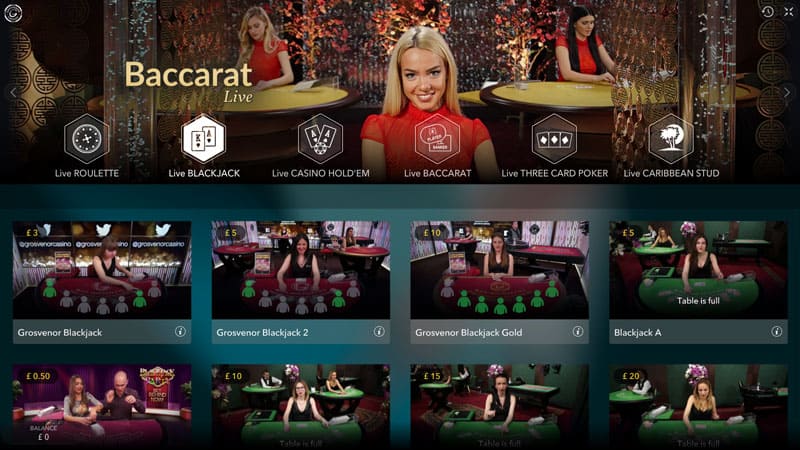
Introduction to Casino Gambling
Explore our in-depth manual for diving into the realm of casino 에볼루션정품 gambling! Whether you’re captivated by table thrills, reel spins, or strategic card play, the casino world promises excitement and amusement for novices and seasoned players alike.
This guide will lead you through all the essentials for starting your casino adventure confidently. From grasping the fundamentals of top casino games to gaining crucial insights for responsible gambling, we aim to empower you with the know-how to make wise choices and enhance your fun.
Understanding Casino Games
Slots: The Basics of Spinning
Slot machines stand out as one of the most iconic attractions in any casino. These games of chance showcase spinning reels adorned with an array of symbols. To participate, one needs only to insert money or a voucher, press a button, and observe the reels whirl. The objective is to align matching symbols along the pay line to secure a victory.
Types of Slot Machines
- Classic Slots: Traditional machines with three reels and nostalgic symbols like fruits and bars.
- Video Slots: Modern machines with elaborate themes, bonus features, and multiple pay lines.
- Progressive Jackpot Slots: These offer massive, accumulating jackpots that can change your life with a single spin.
Table Games: Where Strategy Meets Luck
Table games such as blackjack, roulette, and poker demand a mix of strategy, skill, and luck. With each game boasting unique rules and betting opportunities, they stand out as favored options for enthusiasts seeking an engaging casino experience.
Popular Table Games
- Blackjack: In this card game, the aim is to outscore the dealer by reaching a total close to 21 without exceeding it.
- Roulette: A game of chance where players bet on where a ball will land on a spinning wheel divided into numbered sections.
- Poker: Various versions exist, but Texas Hold’em is a favorite, involving skill in betting, bluffing, and hand ranking.
Specialty Games: Unique and Fun Options
Casinos often offer specialty games that provide a different kind of thrill from traditional casino fare. These can include bingo, keno, and scratch cards, each with its own rules and potential for excitement.
Bingo and Keno
- Bingo: A game of chance where players match numbers on a card with numbers randomly drawn by a caller.
- Keno: Similar to bingo but with players selecting numbers before a random draw determines winners.
Getting Started at the Casino
Choosing the Right Casino
Selecting the right casino is crucial for a positive gambling experience. Consider factors such as reputation, game variety, bonuses, and customer support when making your choice.
Creating Your Casino Account
Once you’ve chosen a casino, creating an account is straightforward. Provide accurate personal information, choose a secure password, and follow any verification steps required by the casino.
Making Your First Deposit
To begin playing with real money, simply deposit funds into your account using a variety of methods. Popular choices include credit/debit cards, e-wallets such as PayPal, bank transfers, and prepaid cards.
Understanding Bonuses and Promotions
Numerous casinos entice and maintain players with a variety of bonuses and promotions, such as welcome bonuses, free spins on slots, cashback offers, and loyalty rewards. It is crucial to thoroughly review the terms and conditions to grasp the wagering requirements and withdrawal limits.
Strategies and Tips for Beginners
Bankroll Management
Managing your bankroll is essential for responsible gambling. Set a budget before you play, and stick to it. Avoid chasing losses or betting more than you can afford.
Learning Game Strategies
Mastering basic strategies for games such as blackjack and poker can enhance your winning odds. Refine your skills through online practice or friendly games before hitting the casino floor.
Understanding Odds and House Edge
Each casino game inherently carries odds that lean towards the house. Enhance your understanding of the probabilities associated with various outcomes and their impact on your winning potential.
Responsible Gambling Practices
Setting Limits
Set limits on time and money spent gambling. Most casinos offer tools like deposit limits, session timers, and self-exclusion options to help you stay in control.
Recognizing Signs of Problem Gambling
Be aware of signs of problem gambling, such as chasing losses, neglecting responsibilities, or lying about gambling habits. Seek help if gambling begins to negatively impact your life.
Enjoying the Experience
Above all, casino gambling should be enjoyable and entertaining. Approach each session with a positive mindset and treat wins and losses as part of the experience.
Conclusion
Congratulations! Armed with the necessary knowledge, you’re ready to embark on your casino gambling adventure. Always remember to gamble responsibly, place fun as a priority, and make the most of the advice and tactics provided in this guide to enhance your enjoyment and boost your chances of winning.
Experience the thrill of slots, the strategic challenge of table games, or the easy fun of specialty games – the casino offers something for every taste. Discover your favorite game and may luck be in your favor!
5 Unforgettable Nightlife Experiences in Da Nang

In our fast-paced world today 다낭마사지, the idea of being truly memorable carries great weight. Whether in personal connections, work pursuits, or remarkable moments, the notion of making a lasting impact strikes a chord with people and companies alike. This detailed guide explores the essence of being unforgettable, the methods to attain it, and its significance across different aspects of life.
Defining Unforgettable Moments
Indelible moments are those that imprint themselves upon our memories, creating a lasting impact that withstands the test of time. These instances are distinguished by their emotional depth, novelty, or importance. They possess the ability to stir profound emotions, mold viewpoints, and frequently transform into defining chapters within our life stories.
Types of Unforgettable Experiences
- Personal Milestones: Birthdays, weddings, and graduations represent pivotal milestones that signify noteworthy accomplishments or life transitions.
- Adventures and Travel: Exploring iconic landmarks, immersing in diverse cultures, or embarking on unforgettable journeys.
- Professional Achievements: Landing a dream job, completing a major project, or receiving recognition for exceptional performance.
The Psychology Behind Unforgettable Moments
Memorable experiences are intricately intertwined with human psychology. Studies suggest that standout memories are frequently associated with increased emotional intensity. Feelings of delight, wonder, or affection, and occasionally sensations of fear or astonishment, can amplify the imprinting of memories in our minds. This occurrence elucidates why specific instances remain vividly ingrained in our memory while others drift into oblivion.
Strategies for Creating Unforgettable Experiences
Crafting memorable experiences necessitates meticulous planning and flawless execution. Whether orchestrating a corporate event, conceptualizing a product, or seeking to elevate personal interactions, the following strategies merit consideration:
1. Personalization and Customization
Tailoring experiences to individual preferences whenever feasible is key. Personalized interactions foster a sense of value and understanding, elevating the chances of crafting a memorable experience. For instance, providing tailored products or services can notably boost customer satisfaction and loyalty.
2. Emphasizing Sensory Engagement
To enhance immersion and memorability, engage multiple senses. Visuals, music, scents, and tactile sensations enrich experiences, etching them vividly in memory. Restaurants strategically craft ambiance to deliver a sensory-rich dining experience, leaving a lasting impression on guests.
3. Storytelling and Emotional Connection
Craft narratives that resonate emotionally with your audience. Stories have a unique ability to captivate and engage, making information more memorable and impactful. Whether you are delivering a presentation, writing marketing copy, or designing a website, weaving a compelling narrative can transform a mundane experience into an unforgettable one.
4. Surprise and Delight
Utilize elements of surprise to surpass expectations and craft unforgettable moments. Unexpected gestures, gifts, or experiences have the power to evoke joy and establish a lasting positive impact. Many businesses leverage surprise gifts or personalized thank-you notes to boost customer satisfaction and foster loyalty.
5. Consistency and Authenticity
Consistently provide top-notch experiences that resonate with your brand’s values and commitments. Authenticity is the cornerstone of trust and cultivates enduring connections with customers, clients, or colleagues. Whether in personal encounters or professional dealings, authenticity enriches the overall impression of unforgettable experiences.
The Impact of Being Unforgettable in Business
In the competitive landscape of business, being unforgettable can be a game-changer. It influences customer loyalty, brand reputation, and overall success. Companies that prioritize creating exceptional experiences often enjoy:
- Increased Customer Retention: Satisfied customers who have memorable experiences are more likely to return and recommend your business to others.
- Positive Word-of-mouth: Memorable experiences encourage customers to share their stories with others, amplifying your brand’s reach and reputation.
- Competitive Advantage: Standing out in a crowded market is essential for attracting and retaining customers. Unforgettable experiences differentiate your brand from competitors and strengthen your market position.
Case Studies: Examples of Unforgettable Experiences
Disney: The Magic of Customer Experience
Disney is celebrated for its exceptional customer service and immersive theme park adventures. Through personalized character interactions and meticulously crafted attractions, Disney crafts enchanting moments that resonate with visitors of every generation.
Apple: Innovation and Customer Loyalty
Apple’s product unveilings are eagerly awaited occasions recognized for their dramatic showcases and groundbreaking features. Through consistently providing unforgettable experiences, Apple has nurtured a devoted customer following that eagerly anticipates each new product debut.
Conclusion
In conclusion, the concept of being unforgettable extends beyond mere moments—it encompasses the art of creating meaningful experiences that resonate deeply with individuals. Whether in personal relationships, professional endeavors, or business strategies, prioritizing memorable experiences can foster lasting connections, enhance satisfaction, and drive success. By understanding the psychology behind unforgettable moments and implementing effective strategies, individuals and businesses can leave a positive and enduring impact on those they engage with. Embrace the challenge of creating unforgettable experiences and reap the rewards of meaningful connections and lasting memories.
This extensive guide delves into the intricate essence of unforgettable experiences, offering valuable insights and strategies to assist you in crafting impactful moments in your personal and professional spheres. Embrace the potential of indelible experiences and set forth on a voyage to make a lasting mark wherever your path may lead.
Generating Revenue through Pay-Per-View Sports Live Streaming

In the current digital era, the realm of sports broadcasting gyanneTV is swiftly transforming. The rise of high-speed internet and the widespread use of smart devices have propelled live streaming into a profitable channel for sports entities to directly monetize their fan base. Notably, pay-per-view (PPV) sports live streaming has reshaped the way fans engage with their beloved sports events, concurrently establishing significant revenue streams for content providers.
The Rise of Pay-Per-View Sports Streaming
Historically, sports fans depended on cable and satellite services for live game viewing. Yet, the surge in on-demand content and streaming services has shifted preferences towards more adaptable and convenient viewing choices. Pay-per-view sports streaming enables fans to select and pay for specific games, doing away with expensive subscriptions and offering a personalized viewing experience.
Advantages of the Pay-Per-View Model
The pay-per-view model offers several advantages for both consumers and content providers:
- Flexibility: Fans can choose specific games or events to watch, avoiding the commitment of long-term subscriptions.
- Accessibility: Streaming platforms offer convenient access across smartphones, tablets, and smart TVs, enabling fans to enjoy games on the go. Watch anytime, anywhere!
- Cost-Effectiveness: Consumers pay only for the games they watch, potentially saving money compared to traditional cable subscriptions.
- Global Reach: Pay-per-view streaming enables sports organizations to reach a global audience, expanding their market beyond geographical boundaries.
Strategies for Maximizing Revenue
To monetize live sports streaming through pay-per-view successfully, content providers can employ a range of effective strategies.
1. Exclusive Content and Partnerships
Offering exclusive content such as major tournaments, championship games, or behind-the-scenes footage can attract a larger audience willing to pay for premium access. Collaborating with sports leagues, teams, and sponsors to secure exclusive broadcasting rights enhances the attractiveness of the content and increases revenue potential.
2. Tiered Pricing Options
By adopting tiered pricing structures, providers can tailor offerings to diverse consumer segments according to their price sensitivity. For example, presenting a standard package for single games and an exclusive package for season passes or supplementary content access offers versatility while optimizing viewer revenue.
3. Enhanced Viewer Experience
Investing in high-definition streaming technology, interactive features, and real-time statistics enhances the viewer experience and encourages prolonged engagement. Personalized recommendations based on viewing history and preferences can further increase customer satisfaction and retention rates.
4. Marketing and Promotion
Successful marketing and promotion play a vital role in drawing a substantial audience to pay-per-view sports streams. Utilizing social media platforms, email marketing initiatives, and collaborations with influencers or sports figures can boost visibility and prompt subscriptions. Providing promotional discounts or free trials can further motivate new users to explore the service.
Challenges and Considerations
While pay-per-view sports streaming offers significant revenue opportunities, content providers must navigate several challenges:
- Piracy: Safeguarding content against unauthorized distribution and piracy remains a persistent challenge in the digital era. By deploying strong digital rights management (DRM) strategies and collaborating with anti-piracy entities, one can effectively reduce associated risks.
- Technical Infrastructure: Ensuring a seamless streaming experience requires robust technical infrastructure capable of handling high volumes of concurrent viewers. Investing in scalable servers, content delivery networks (CDNs), and bandwidth management is essential.
- Consumer Behavior: Understanding consumer preferences and behavior patterns is crucial for pricing strategies and content curation. Conducting market research and gathering analytics data can provide insights into viewer demographics and viewing habits.
The Future of Pay-Per-View Sports Streaming
Moving forward, the realm of pay-per-view sports streaming stands ready for ongoing expansion and innovation. Anticipated progress in augmented reality (AR), virtual reality (VR), and interactive viewing experiences is set to revolutionize fan interaction with sports content. Furthermore, collaborations with telecommunications providers and OTT platforms will broaden distribution avenues, capturing new audiences on a global scale.
In conclusion, live streaming of pay-per-view sports offers a dynamic and profitable opportunity for sports organizations to boost revenue while delivering tailored and convenient viewing experiences to fans. By utilizing exclusive content, cutting-edge technologies, and targeted marketing strategies, providers can enhance engagement, retention, and profits in the competitive realm of digital sports broadcasting. As consumer demand for flexible, on-demand content continues to surge, embracing pay-per-view streaming is not merely a growth strategy but a crucial element for staying ahead in the ever-changing sports media industry.
Golf Betting Tactics: Driving Your Way to Victory

Within the realm of golf betting 토토사이트, honing the skill of foreseeing outcomes presents an exhilarating and potentially profitable endeavor. Numerous elements impact a player’s on-course display, yet grasping efficient betting strategies can notably boost your likelihood of triumph. This detailed guide delves into tactics customized to enhance your golf betting journey, emphasizing the utilization of insights and data to propel you closer to success.
Understanding Golf Betting Basics
Golf betting isn’t just about picking a favorite player; it’s about analyzing their form, course suitability, and overall performance metrics. Here’s a breakdown of essential betting basics:
1. Types of Golf Bets
- Outright Winner: Betting on who will win the tournament.
- Top Finish: Predicting a player’s position at the end of the tournament.
- Matchups: Betting on the performance comparison between two players.
- Prop Bets: Wagering on specific events during a round or tournament.
2. Key Metrics to Consider
- Form: Recent performance in tournaments leading up to the current event.
- Course Fit: How well a player’s style matches the course layout.
- Statistics: Analyzing metrics like driving accuracy, putting average, and greens in regulation (GIR).
- Weather Conditions: Understanding how weather may impact player performance.
3. Research and Analysis
- Player Profiles: Detailed analysis of each player’s strengths and weaknesses.
- Historical Data: Review past performances at specific tournaments or course types.
- Expert Insights: Utilizing expert opinions and insider information.
Advanced Golf Betting Strategies
To elevate your golf betting game, consider implementing these advanced strategies:
1. Hedging Bets
Hedging involves placing additional bets to minimize potential losses or secure profits. For example, if you’ve bet on a player to win outright, you might hedge by betting on another player likely to finish in the top three.
2. Bankroll Management
Effective bankroll management is crucial. Define a budget for betting and allocate stakes wisely across different types of bets to mitigate risks and maximize long-term profitability.
3. In-Play Betting
During a tournament, in-play betting allows you to capitalize on shifting odds and player performance. Monitor live updates and adjust your bets accordingly based on real-time insights.
4. Statistical Models and Predictive Analytics
Utilize statistical models and predictive analytics to forecast player performance. Factors such as recent form, course history, and statistical trends can be quantitatively analyzed to make informed betting decisions.
Conclusion
Mastering golf betting requires a blend of meticulous research, strategic analysis, and disciplined execution. By understanding the nuances of player performance, leveraging advanced betting strategies, and utilizing data-driven insights, you can enhance your chances of success in golf betting. Remember, consistency and adaptability are key in navigating the dynamic landscape of golf tournaments and betting markets. Stay informed, stay strategic, and drive your way to victory in golf betting.
For more expert insights and detailed analysis on golf betting tactics, continue exploring our resources and stay ahead of the game.